This week’s Reuters article on the Bank of England’s stress testing of UK banks for dollar liquidity risk caught my attention and I believe it’s a clear signal of something bigger brewing beneath the surface.
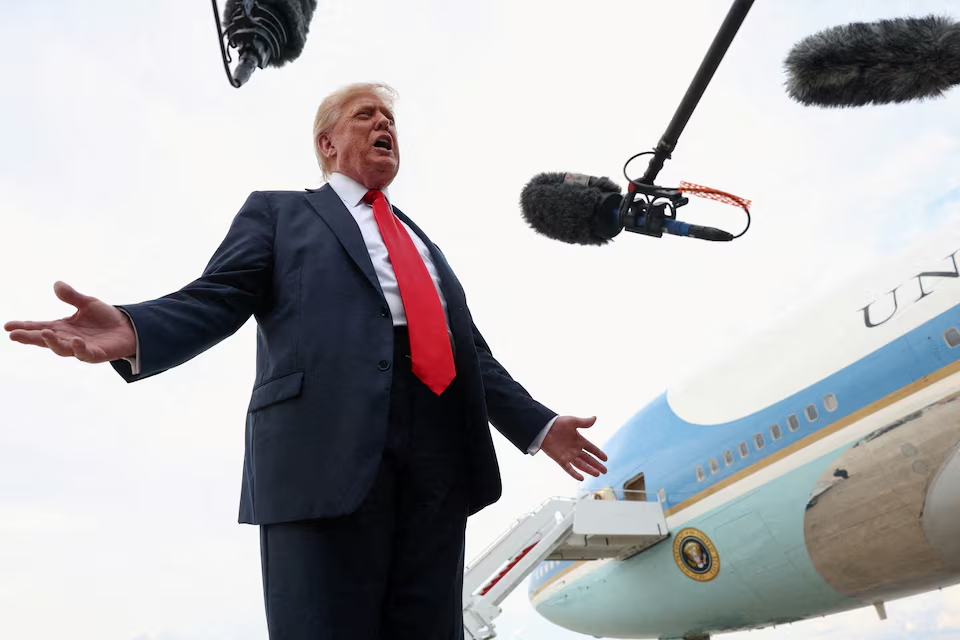
As concerns grow over Donald Trump’s return to power and his unpredictable stance on institutions like the Federal Reserve central banks are beginning to prepare for a world where the U.S. dollar may no longer be the “rock” it once was.
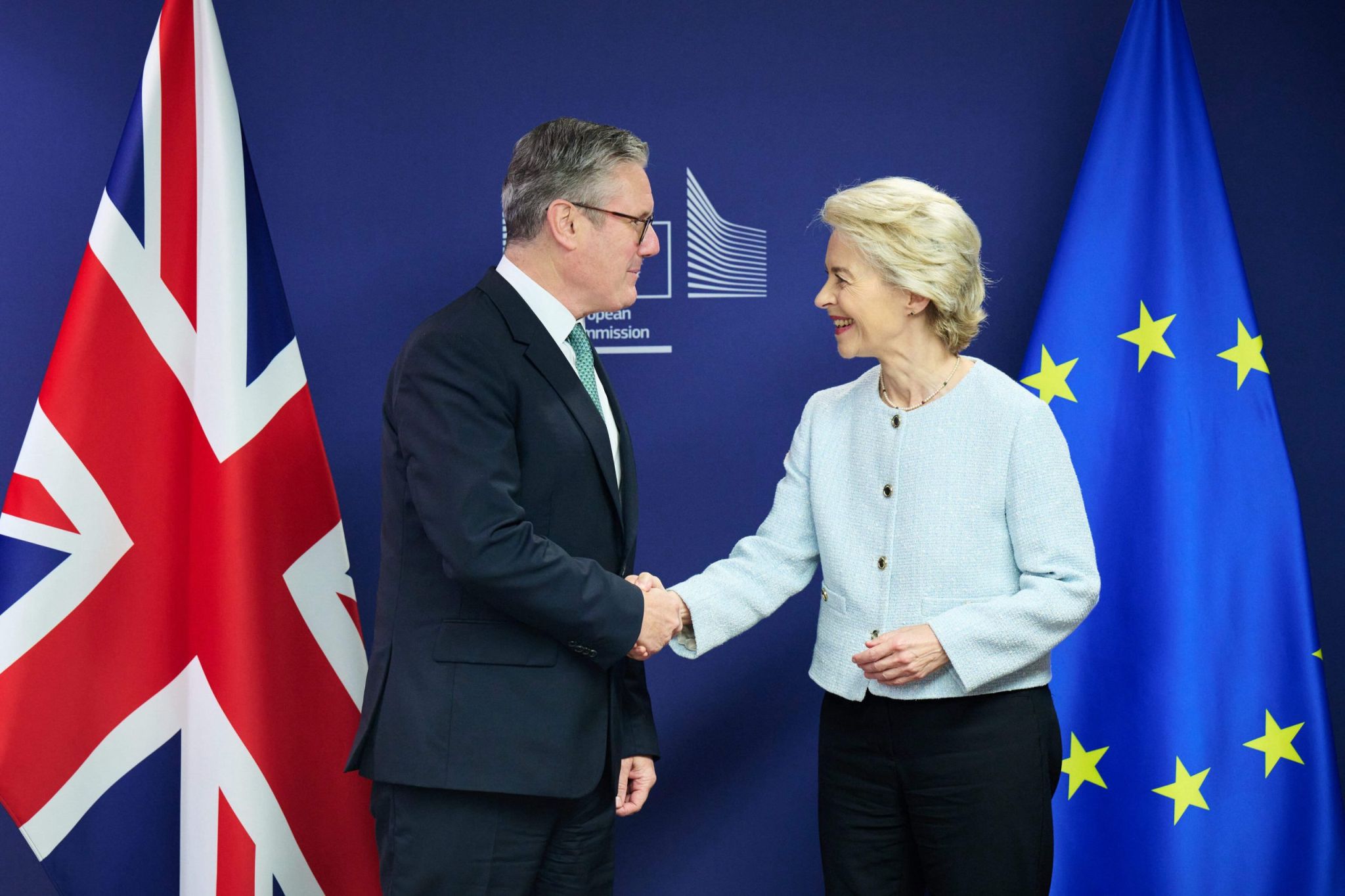
These stress tests, which imagine a total freeze in access to dollars, are already pushing UK and EU banks to rethink their exposure to U.S. assets. And what happens when big international players start pulling back from the U.S. financial system?Downward pressure on the dollar.
The dollar is following a down trend for a while now. If the USD weakens, the Euro and Pound Sterling could strengthen and for us, as European meat importers who purchase large volumes in dollars, that could be very good news. A stronger Euro means better buying power, and in turn, lower meat prices from dollar-based exporters like Brazil, Uruguay and Argentina. (Providing the cost of the meat doesn’t increase)
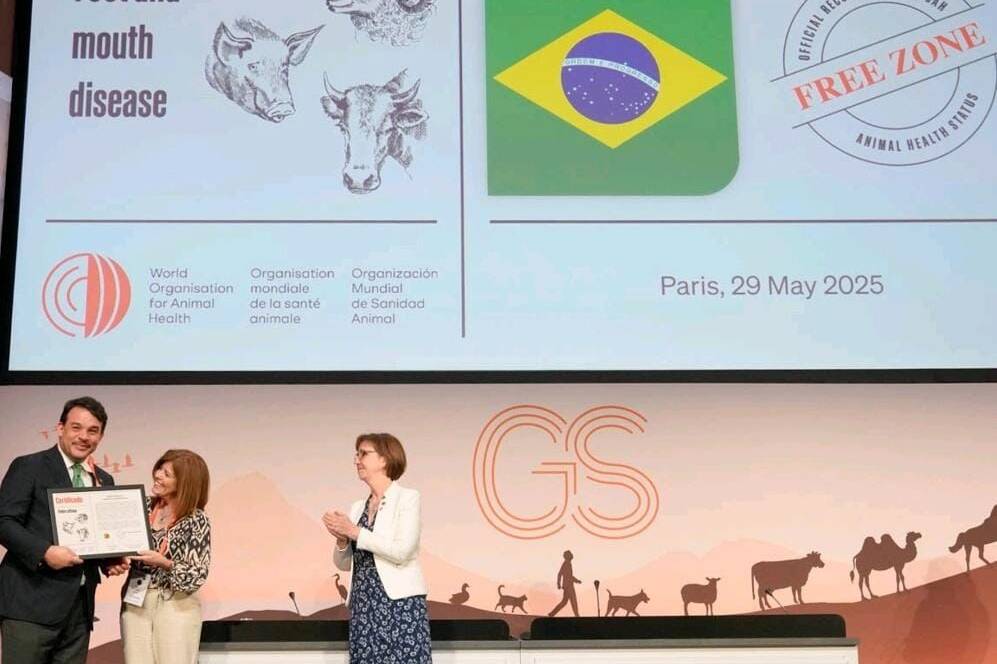
To add another layer: the 50% Brazilian export tariff on meat to USA coukd make domestic protein cheaper in Brazil, potentially pushing more product into global markets especially Europe.
If both dynamics play out weaker dollar and more Brazilian meat available we could see a much-needed correction in meat prices, which have remained inflated in recent months.
It’s too early to pop the champagne, but the signs are there. And for those of us in the protein trade, this intersection of geopolitics, banking stress, and trade policy might just create a window of opportunity.