

This week, ABIEC, Brazil’s beef export association, was present at the Interministerial Committee on Negotiation and Economic and Trade Countermeasures in a meeting led by Vice President and Minister Geraldo Alckmin
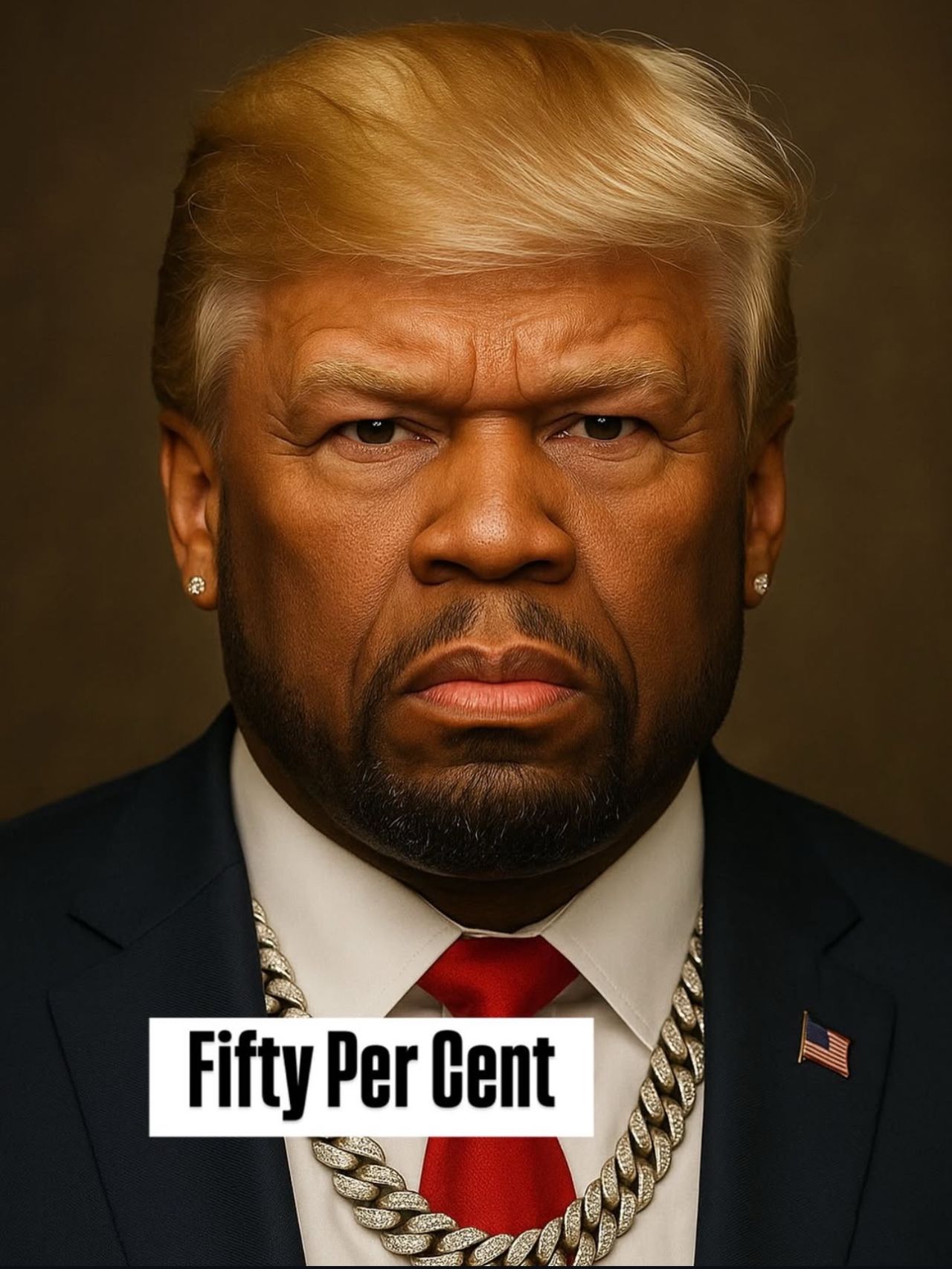
The main focus: the 50 percent tariff imposed by the United States on Brazilian beef.
ABIEC (Associação Brasileira das Indústrias Exportadoras de Carnes) president, Roberto Perosa presented detailed data on the sector and highlighted the immediate risks. Major meatpackers are already suspending productionl for the U.S. Contracts underway total around 30,000 tons and over USD 150 million in shipments, many of which are already at ports or in transit.
The industry’s request is simple: postpone the start of the tariff to protect current contracts and avoid serious damage to Brazil’s beef chain, a sector that generates over 7 million jobs in the country.
It’s important to note that the majority of Brazilian beef exported to the U.S. is directed for grinders production, at a time when the U.S. is facing its smallest cattle cycle in 80 year, this decision doesn’t just hurt Brazil, it will undoubtedly hurt the U.S. market as well.
But let’s be honest. Trump’s administration isn’t thinking about Brazil, and probably not even about the broader impact on the U.S. economy either. As we’ve seen before, his trade decisions are bold, aggressive, and not exactly focused on collaboration. Will he backtrack or allow a grace period? Maybe, but only if it benefits the U.S.
And what about us here in Europe?
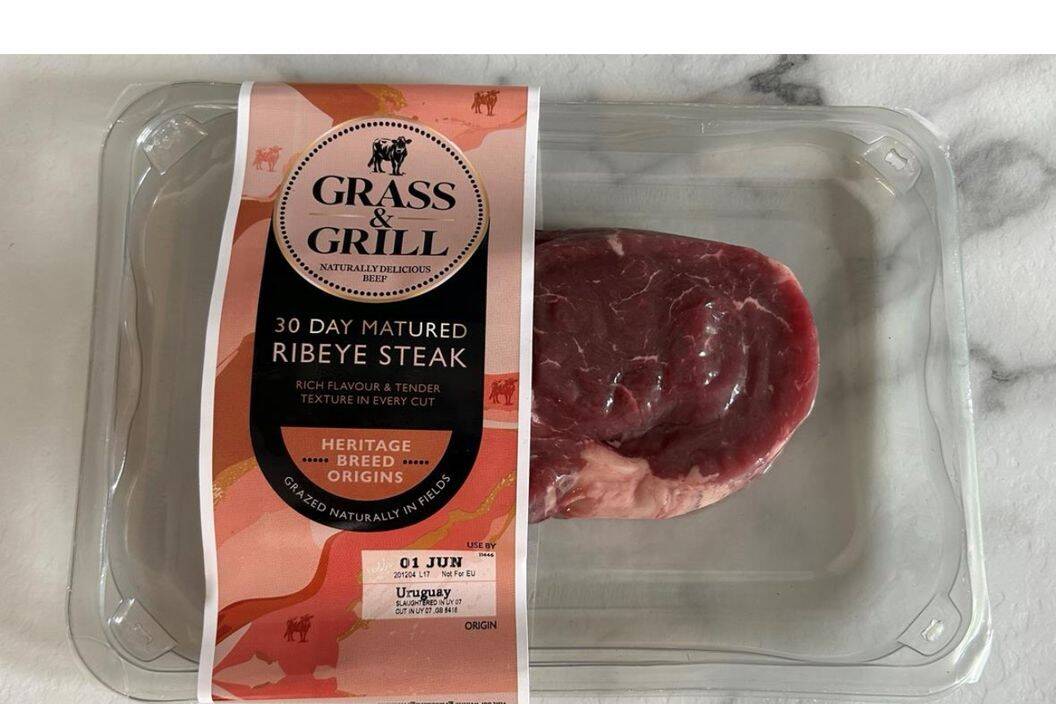
That’s where it gets interesting. U.S. beef doesn’t directly compete with EU beef due to different regulatory and market requirements. But if Brazil stops exporting to the U.S., that will put pressure on the cattle prices to drop and packers will try shift volume to other markets, including Europe.
Let’s not forget. Just a few years ago, Brazil wasn’t even authorized to export to the U.S. Yet it found markets. It always does. And if I had to guess, I’d say cattle prices will fall and Brazil will increase its beef shipments to Europe.
For European consumers, this could be welcome news, more supply in a tight market with highly inflates prices.
Let’s see what the next chapter on this bring.
Gustavo Silveira.
Bēf&Co.